About the Climate Visual Map
The Climate Visual Map brings together stories from rural communities to understand how climate change is being experienced on the ground. It is part of the Buniyaad Initiative by PURPOSE, developed with support from Chambal Media. The stories you see here are documented by Udaan Fellows—young people from these communities who have been trained in mobile journalism and climate reporting.
This is a story-based, qualitative map. It does not replace scientific or quantitative climate data, but sits alongside it—bringing forward how climate change is actually felt in everyday life.
The map is designed as an open, interactive space. Each point on the map marks a specific place where these changes become visible. It could be a water source that no longer lasts through the season, crops behaving differently, shifts in labour, or new ways communities are adapting.
What may seem like isolated instances begin to form patterns when seen together.
The Udaan Fellows: Storytellers from the Ground
The stories on this map are documented by Udaan Fellows—young people from the same communities where these changes are unfolding. Trained in mobile journalism and climate reporting, they bring more than just technical skills to this work- they bring familiarity with the land and an understanding of local contexts. This allows them to document stories with a level of access and trust that is often difficult to achieve from the outside.
This section brings together their profiles—offering a glimpse into the people behind the stories, and the communities they represent.
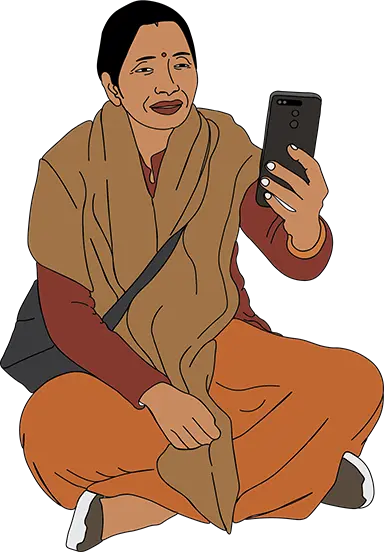
Sumitra

Kajal

Soni

Ankita

Akanksha
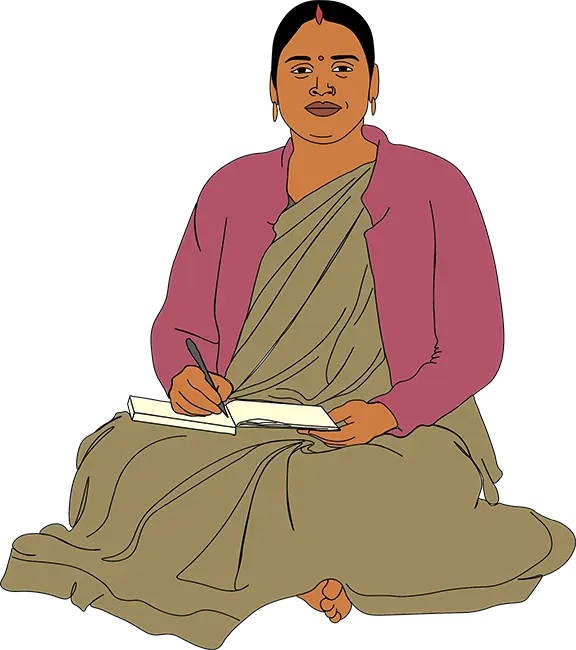
Pramila
There is no fixed path to follow. Clicking on any point opens up a story, each rooted in that location and context. You can move through the map intuitively—pausing where something draws your attention. Over time, this allows you to see how climate change is not uniform, but shaped by local realities, livelihoods, and access to resources.
Together, these stories shift how climate change is understood. They move it away from something distant or abstract, and ground it in lived experience—where observation, memory, and everyday adaptation become a form of evidence.




About the Buniyaad Initiative
Buniyaad is a multi-stakeholder platform that aims to bring together Uttar Pradesh’s brick industry to push for an equity-based decarbonisation within the industry. This multi-stakeholder platform includes over 200+ members across UP brick kiln workers and their organizations, associations, owners, community leaders, NGOs, think-tanks, art & culture groups, media and the decision makers.
The goal of this platform is to shift the narrative and perception around the need for and benefits of technology change and worker welfare in the brickworks ecosystem, and pushing for policy support and action.
The project targets locations with high density of brick kilns such as Varanasi, Pratapgarh, Lucknow, Jaunpur, Ambedkar Nagar, Mathura, Shamli, Muzaffarnagar leveraging the active presence of 100% UP Coalition members and coverage of existing government schemes.
More information on www.buniyaadinitiative.in
Our Partners




Collective Labour, Shared Gratitude - Credits and Acknowledgements
The Climate Visual Map has been developed as part of the Buniyaad Initiative by Chambal Media, with support from PURPOSE. This project would not have been possible without the collective efforts of fellows, mentors, community members, and collaborators who contributed their time, skills, and perspectives throughout the journey.
Udaan Fellows: Akanksha, Ankita, Kajal, Pramila, Soni and Sumitra
Project Coordination & Program Team: Gargi, Suneeta Prajapati, Aditi
Purpose Team: Mandira, Lavrez, Gayatri, Panisthi, Shraddha, Vaishno, Alok, Harpreet and Malvika
Video Editing, Subtitles & Production: Lakshmi Sharma, Hinduja Verma, Rinjhini, Rishu
Design & Visual Development: Saumya Sahay
Outreach and Technical Support: Harshita Verma, Alia Shirazi, Guneet
Mentors : Gurpriya, Kavita Devi, Priya Thuvassery, Geeta Devi, Shyamkali
With Special Thanks
To the community members, farmers, brick kiln workers, women, and young people who shared their experiences and trusted us with their stories — thank you. Your voices and lived realities are the foundation of this map, and continue to shape the larger conversation on climate, labour, and justice.
Growing the Map Together: Get in touch with us
This map is not complete—it is meant to keep growing.
At its core, this is a collective effort. The more voices and perspectives it holds, the more complete the picture becomes. We are always looking to expand this work in meaningful ways, for more information write to us at: info@khabarlahariya.org
Shifting Seasons, Changing Sugarcane Fields — Reported by Ankita
In the rural village of Saidlipur, Kanpur district, Ankita, an Udaan fellow, is trying to understand the impact of climate change on the lives of its residents. Through her interviews with the villagers, she uncovers the challenges they face in their daily lives, particularly in relation to agricultural practices.
The village, once known for its thriving sugarcane fields, has seen a significant decline in this crop. Residents share with Ankita the difficulties they encounter, including the impact of climate change and water scarcity on their farming practices. Unpredictable weather patterns and droughts have made it difficult for them to sustain sugarcane cultivation.
The villagers have had to adapt and now grow alternative crops such as wheat, hybrid jowar (sorghum), moong (mung bean), and chana (chickpeas). Through her conversations, Ankita highlights the struggles of rural farmers, the effects of climate change, and the quest for sustainable farming practices.
As Ankita delves deeper into the stories of the villagers, she begins to understand the intricate relationships between climate change, agriculture, and community resilience. Her work as an Udaan fellow allows her to amplify the voices of the villagers, shedding light on their stories and struggles.
Untimely Rains Destroy Farmers’ Harvests — Reported by Akanksha
The lives of farmers are increasingly being dictated by the whims of an unpredictable climate. Unseasonal rains have become a recurring menace, wreaking havoc on their hard-earned crops. What was once a well-planned harvest season has turned into a gamble with nature, where a few hours of unexpected rain can destroy months of toil. The impact is multifaceted: crops rot, quality deteriorates, and the financial stability of farming families is severely compromised. This is not just an economic issue; it's a livelihood crisis. The struggle of farmers against the backdrop of climate change underscores the urgent need for sustainable agricultural practices and climate-resilient strategies to safeguard the future of farming and food security
Climate Change Is Changing Both Seeds and Food Habits — Reported by Sumitra
Sumitra, an Udaan fellow, has been documenting the lives of residents in a rural village, shedding light on the profound impact of climate change on their agricultural practices and food habits. The villagers' stories reveal a stark reality: 20 years ago, they cultivated crops like arhar, urad, til, and maize, but changing weather patterns have forced them to adapt to alternative crops.
This shift has not only affected their livelihoods but also their health and well-being. Unpredictable weather patterns and droughts have made it difficult for farmers to sustain certain crops, leading to food insecurity. The villagers are now reliant on markets to buy essential items, including dal (lentils), which has compromised the purity and quality of their food.
The changing climate has disrupted traditional farming practices, affecting the overall well-being of the community. Sumitra's documentation highlights the urgent need for sustainable solutions to address the impact of climate change on rural communities. By sharing their stories, we can work towards creating a more resilient and food-secure future for all.
Beautification at the Cost of Trees and a Historic Pond — Reported by Akanksha
In the quaint village of Beda, a drastic transformation has taken place, one that has left its residents grappling with the consequences of environmental neglect. Under the guise of beautification, dozens of age-old trees surrounding a vital pond were cut down, despite a 2020 ban on tree felling. These trees were not just any ordinary trees; they were the guardians of the village's ecological balance, providing shade, supporting biodiversity, and serving as a communal hub where villagers would gather, and bring their livestock for water. The removal of this green canopy has led to a sharp increase in temperatures, eradicating the cool breezes and shade that once made life in Beda bearable, especially during the sweltering summers. The impact, however, extends beyond the environmental; it has also taken a toll on the village's social and cultural fabric. This narrative is a poignant reminder of the delicate interplay between nature and human activity, highlighting the urgent need to protect and preserve our natural heritage against the threats of climate change and urbanization.
Falling Crop Prices Deepen Families’ Financial Struggles — Reported by Soni
The village of Bhand in Ghantampur block, Kanpur district, is home to numerous farmers struggling due to unseasonal rain and hail that damaged their crops. The financial losses are substantial, with some owing debts of ₹80-90 lakhs.
The situation is taking a toll on the families of the farmers. Children are suffering due to the lack of financial resources, with some unable to attend school or receive proper healthcare. The families are finding it challenging to manage their daily expenses, including food, medicine, and other essentials.
The farmers have not received any government support or compensation for their losses. This lack of support has exacerbated their problems, leaving them feeling frustrated and helpless. The crop damage and financial losses are also taking an emotional toll on the farmers, who are struggling to cope with the stress and anxiety caused by their situation.
Off-Season Rain Hits Farmers Hard: Crops Damaged, Daily Life Disrupted- Reported by Pramila
In Sindhora village, Varanasi, unseasonal rains have not just waterlogged fields—they have drowned hopes. This is the story of farmers like Manorma and Kishan, who watched helplessly as their carefully sown spinach, potatoes, onions, and peas rotted into sludge. An investment of ₹45,000 lies wasted in the mud.
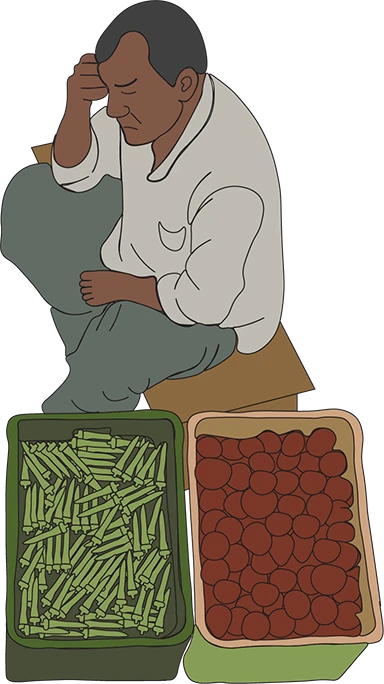
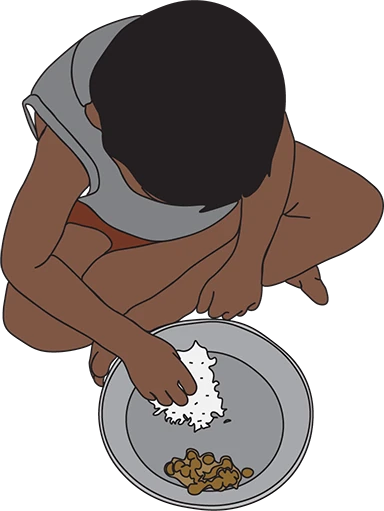
The crisis ripples from field to market to kitchen. With local supplies devastated, vegetable prices have soared, making even basic greens a luxury. Families who once ate from their own land now survive on lentils and rice, their diets diminished. The primary source of income—selling vegetables—has vanished overnight, forcing them into debt and precarious daily labour.
This isn't just a bad season; it's a stark glimpse into the fragility of small-scale farming. It's about the silent calculation a mother makes when half the day's wage buys a handful of vegetables, and the weary resignation of a farmer who says, "What can we do? We'll have to buy to eat now. What else is left?" It's a portrait of resilience strained to its limit, where the weather doesn't just change the sky—it empties plates and futures.
The Pond That Remains Unused: A Financial Drain- Reported by Sumitra
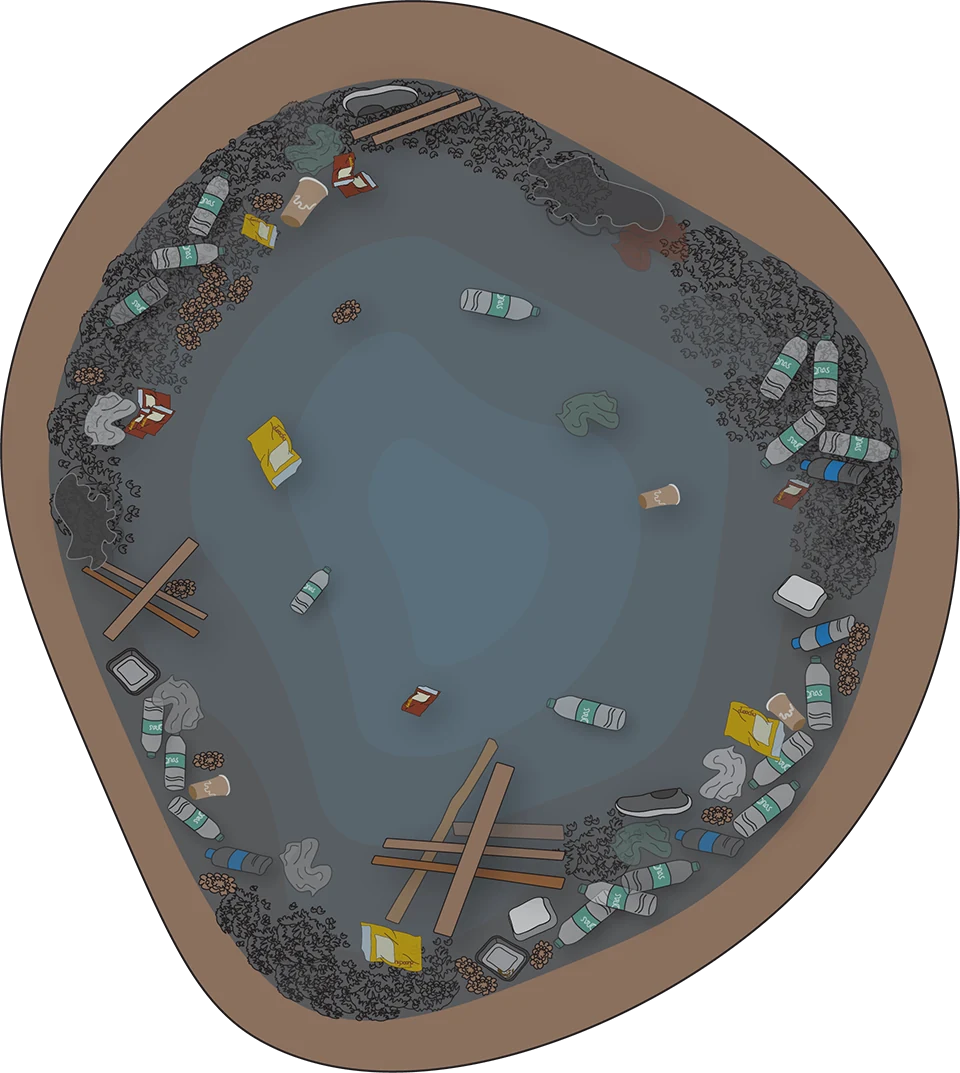
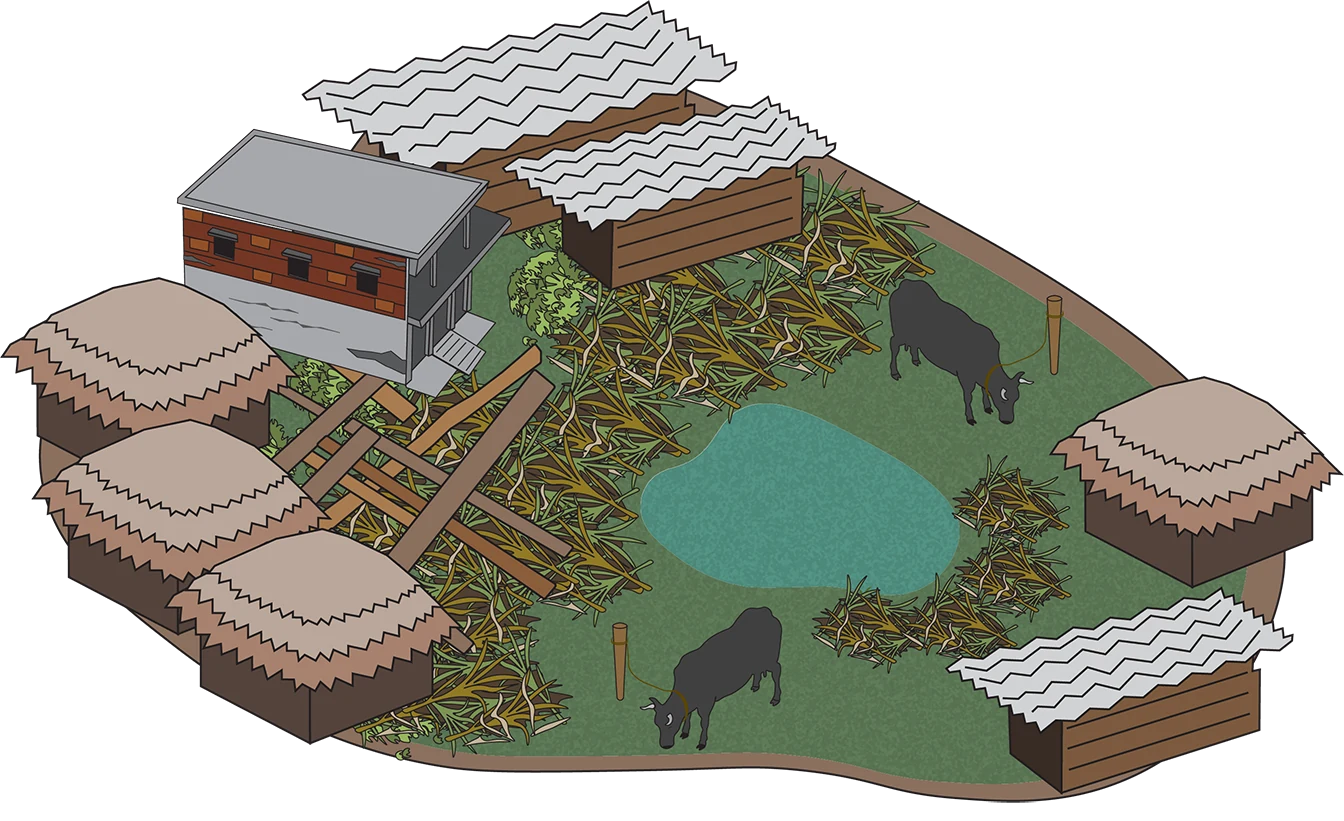
In the heart of Jaunpur district, lies the village of Rupchandpur, where a Dalit community's ancient pond once served as a lifeline. However, after the pond's excavation by the village head, it was left unfinished and uncared for. The absence of trees and plants around it, coupled with the lack of a proper embankment, has rendered the pond useless to both the animals and the villagers. The deepened pond now poses a risk to animals that venture in to drink, often unable to escape. What was once a resource for the community's basic needs, providing soil for home maintenance and cooking, has turned into a pit of filth and stagnant water. This story highlights the plight of a community whose efforts to improve their environment were left half-done, leaving them to face the challenges of a neglected and polluted water body.
Unseasonal Rainfall Destroys Livestock Fodder- Reported by Kajal
The residents of Purwa village, Kanpur, are facing significant challenges due to unseasonal rain. Kajal, a student of the Udaan Fellowship, visited the village and spoke with farmers to understand the impact of the rain.
One resident, Sat, shared her experience. She explained that the rain has caused substantial damage to their crops and livestock fodder. The jundli (fodder) has spoiled, and the bajari (a type of crop) has also been affected.
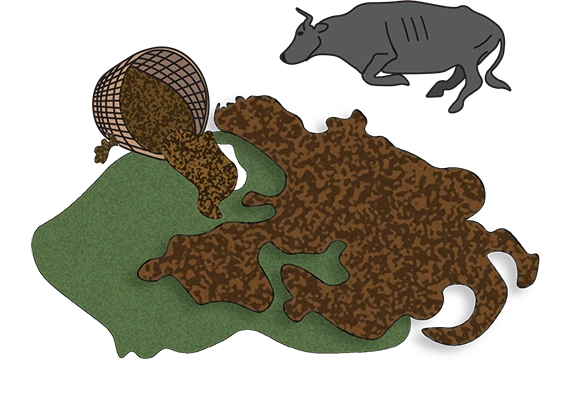
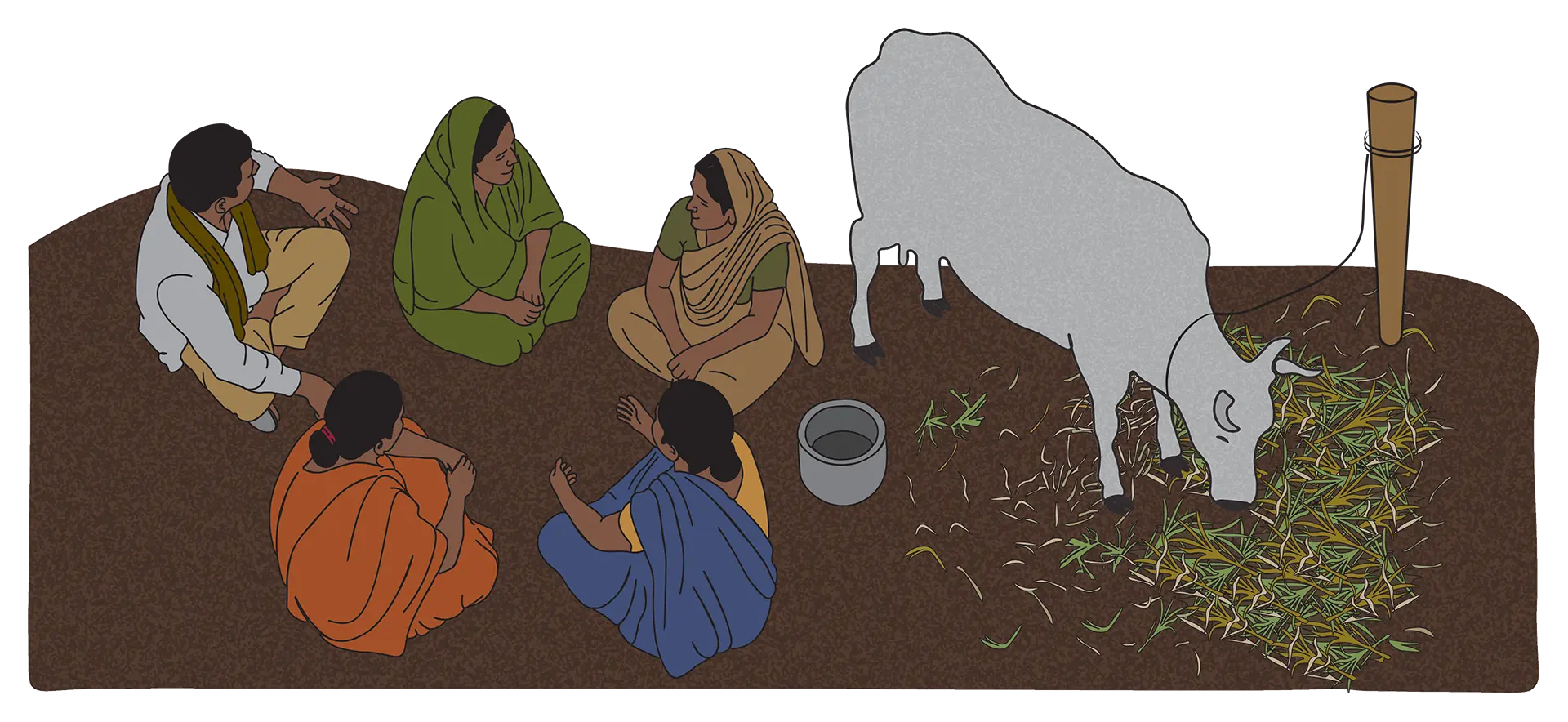
Sat mentioned that her buffaloes' fodder has spoiled due to the rain. She is now struggling to find alternative fodder for her animals. She noted that the spoiled fodder has caused illness in her buffaloes, and they are not producing enough milk.
When asked about her next steps, Sat replied that she will have to buy fodder for her animals, which is expensive. She also mentioned that the rain has affected their agricultural produce, and they are facing financial difficulties.
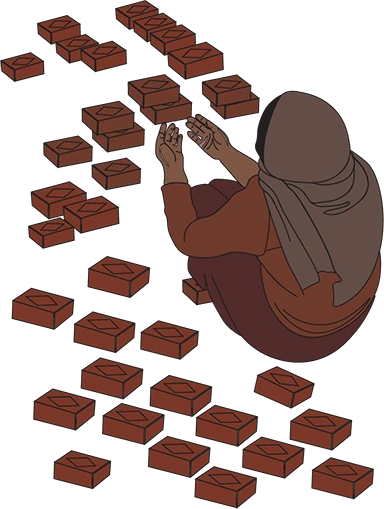
Severe Cold and Fog Disrupt Brick-Making, Laborers' Livelihoods Suffer- Reported by Akansha
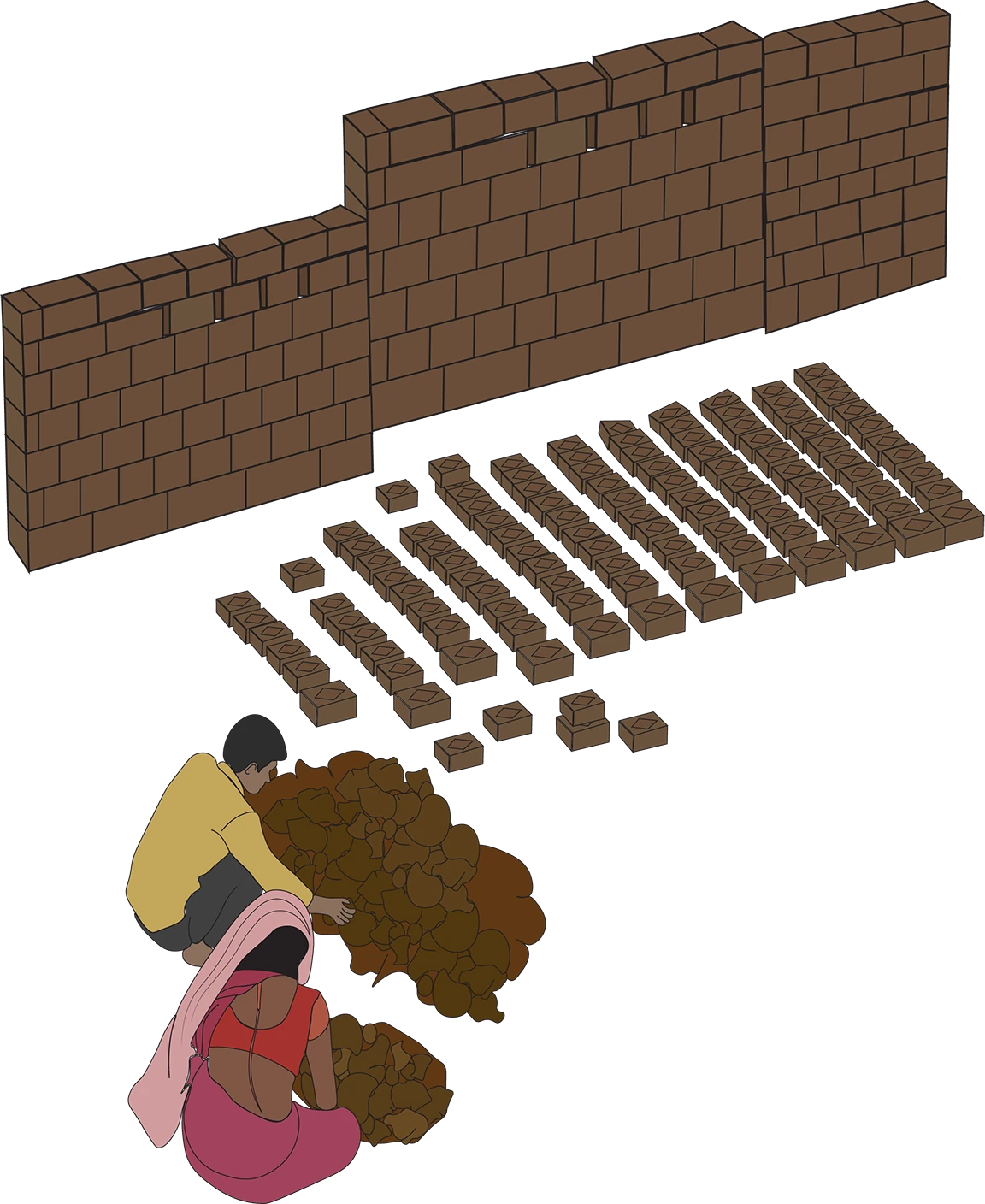
The livelihoods of brick kiln workers are intricately tied to the whims of the weather. When prolonged cold spells and lack of sunlight prevent the drying of raw bricks, work grinds to a halt, and with it, the daily earnings of laborers. This has a direct impact on their families' ability to afford basic necessities like food, children's needs, and everyday expenses. The unpredictability of weather patterns, marked by intense cold, unseasonal rains, and erratic sunshine, has introduced a significant element of uncertainty and vulnerability for these workers. Their story highlights the urgent need for support and solutions that can help mitigate the effects of climate change on their livelihoods and ensure a more stable future
The Hidden Dangers: Women's Health in Brick Kiln Work During Winter- Reported by Kajal
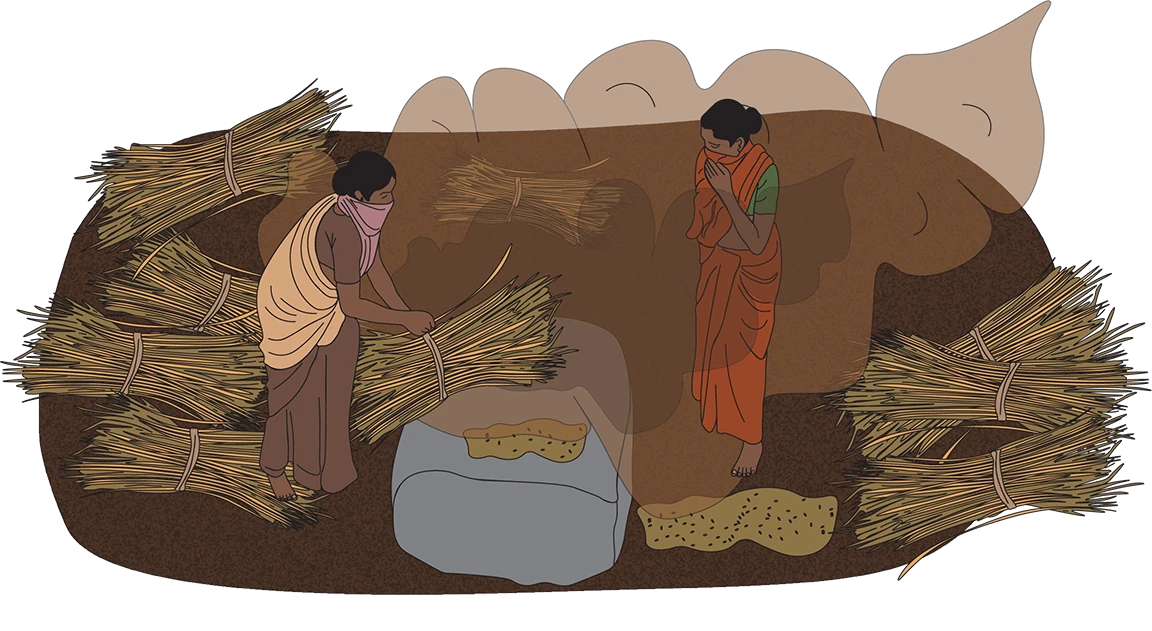
In the biting cold of dawn, women laborers in brick kilns brave the harsh conditions, extracting bricks from scorching chimneys. The extreme cold numbs their limbs, yet they persevere, driven by the necessity to earn a living. Their work is a grueling test of endurance, as they toil amidst smoke and ash, suffering from eye irritation, body aches, and chronic back pain. The stark contrast between the kiln's intense heat and the freezing cold outside further exacerbates their physical toll. Despite the hardships, these women find strength in their resilience, underscoring the critical role they play in supporting their families. Their story is a poignant reminder of the struggles faced by female laborers and the urgent need for better working conditions and social support.
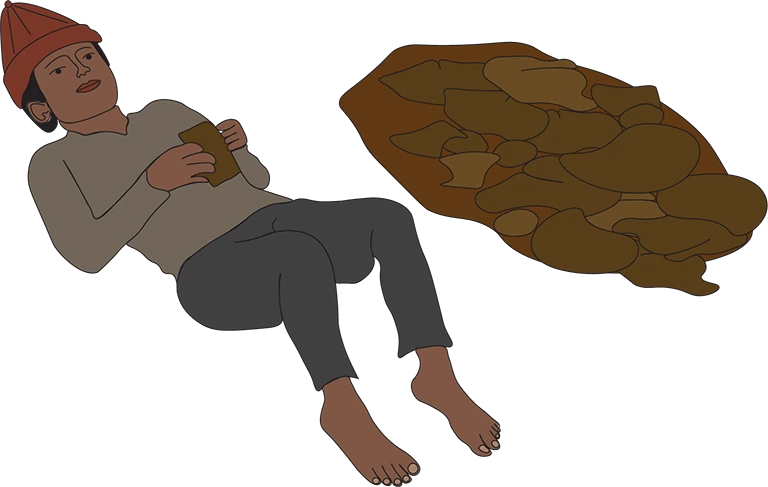
As Weather Changes, Brick Kiln Migration Separates Children from Education= Reported by Soni
Farmers are facing significant challenges due to unpredictable weather patterns, irregular rainfall, intense heat, and increased pest infestations, leading to frequent crop failures and reduced quality. This results in lower market prices for their produce, often below the Minimum Support Price (MSP). The rising costs of seeds, fertilizers, pesticides, water, and labor, coupled with declining incomes, are severely impacting rural families' financial stability. Many are forced to take loans, compromising their children's education and struggling to meet daily expenses. This crisis highlights the far-reaching effects of climate change and unstable market systems on farmers' livelihoods, well-being, and future prospects.
Climate-Induced Migration: The Plight of Brick Kiln Workers- Reported by Parmela
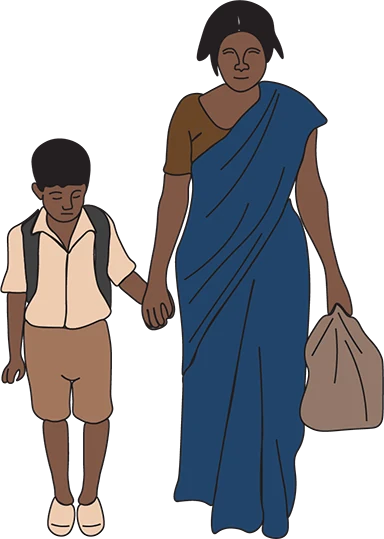
The impacts of climate change and unpredictable weather patterns are forcing rural families to migrate in search of livelihoods. Unreliable rainfall, droughts, and crop failures have made farming unsustainable, pushing families to leave their homes and seek work in brick kilns. Entire families, including women, men, and sometimes children, are involved in this labor, facing harsh conditions, long working hours, and poor living standards. With agriculture no longer a viable source of income, these families are left with no choice but to migrate, often to distant districts or states. Their stories highlight the urgent need for climate-resilient agriculture and sustainable livelihoods to prevent such distress migration.
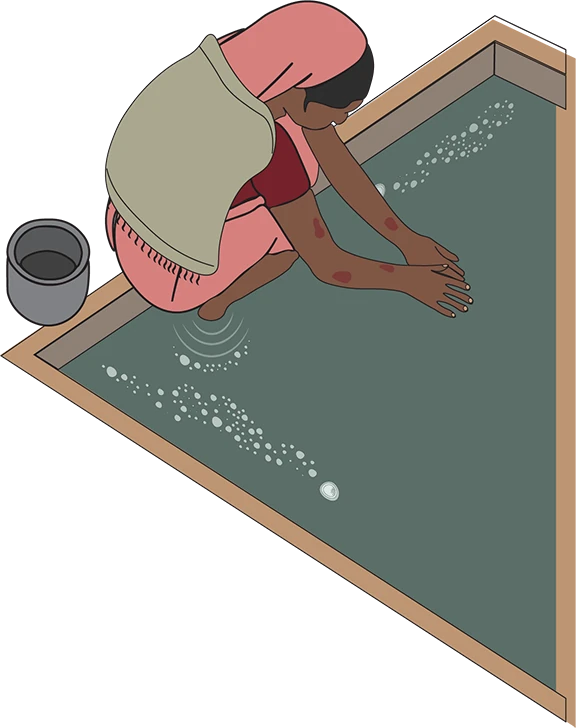
Dirty Water, Cold Weather: A Deadly Combination for Brick Kiln Laborers- Reported by Sumitra
Brick kiln workers face significant health risks during the harsh winter months. Forced to work in cold, dirty water and mud for extended periods, they are exposed to conditions that lead to numbness, body aches, and skin problems. The physical toll is severe: hands crack, feet swell, and workers are prone to fevers, coughs, and colds. Prolonged exposure to unsanitary conditions also increases the risk of infections. Despite these dangers, workers cannot afford to miss a day, leaving them vulnerable to the harsh realities of their job. This narrative sheds light on the dire health consequences faced by brick kiln workers and the urgent need for improved working conditions and healthcare support.
No Toilets, No Dignity: The Menstrual Health Crisis in Brick Kiln Communities- Reported by Ankita
Women and girls working in brick kilns face significant challenges during menstruation due to the lack of basic amenities like toilets and clean water. The absence of these facilities forces them to relieve themselves in open areas, leading to feelings of insecurity, shame, and discomfort. During their periods, they are often required to work long hours without adequate rest, proper hygiene facilities, or the ability to frequently change sanitary products. This situation can lead to infections, weakness, and other health issues. Despite their crucial contribution to the workforce, the basic needs and health of these women are often overlooked. Their stories underscore the urgent need for improved working conditions and menstrual health support for female laborers in brickDespite their crucial contribution to the workforce, the basic needs and health of these women are often overlooked. Their struggles highlight the need for better sanitation facilities and healthcare support in workplaces. Addressing these issues is essential for improving the well-being of female laborers in brick kilns.
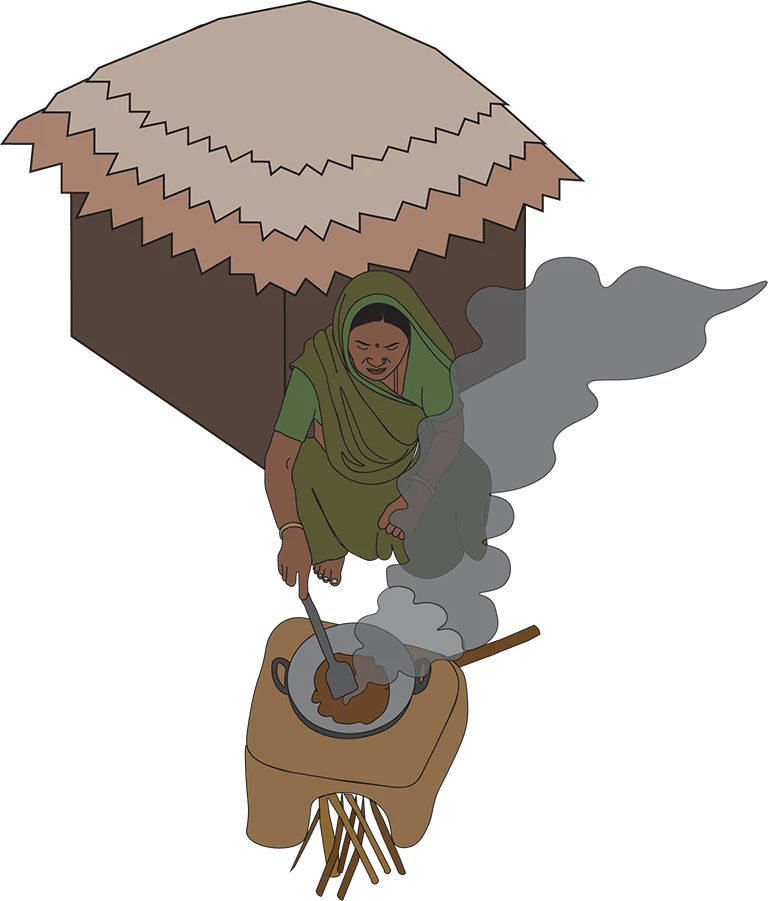
Weathering the Storm: Women's Traditional Cooking Methods Persist, Despite Climate Change- Reported by Kajal
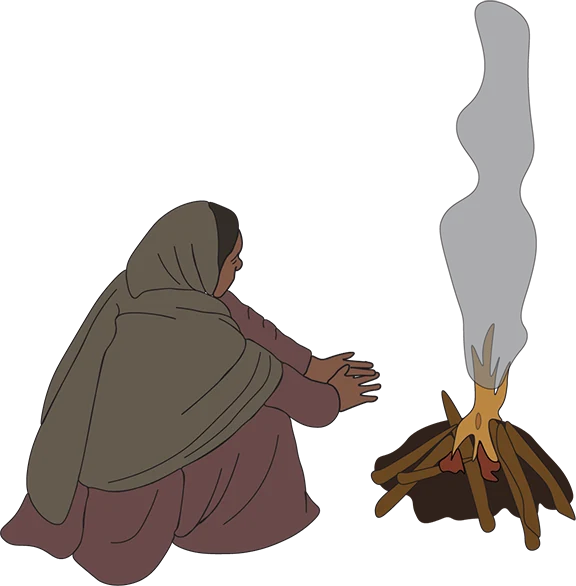
In Asthia village, Kanpur, women continue to face significant hardships due to reliance on traditional wood-fired stoves (chulha). Kajal, a Udaan Fellowship student, spoke with Shakuntala, a laborer, to understand these daily challenges.
Shakuntala explained that she still cooks on a chulha. When asked about the fuel, she said she has to buy wood, as there is no gas connection in her home. She highlighted the considerable difficulty and trouble involved in lighting and using the stove.
The process of collecting fuel is itself a major burden. Shakuntala gathers wood from the forest, which is quite far. Going to fetch it takes the entire day.
The health impacts are severe. Shakuntala described how the smoke affects her eyes and causes colds. Her breathing becomes bad, and she coughs extensively while cooking.
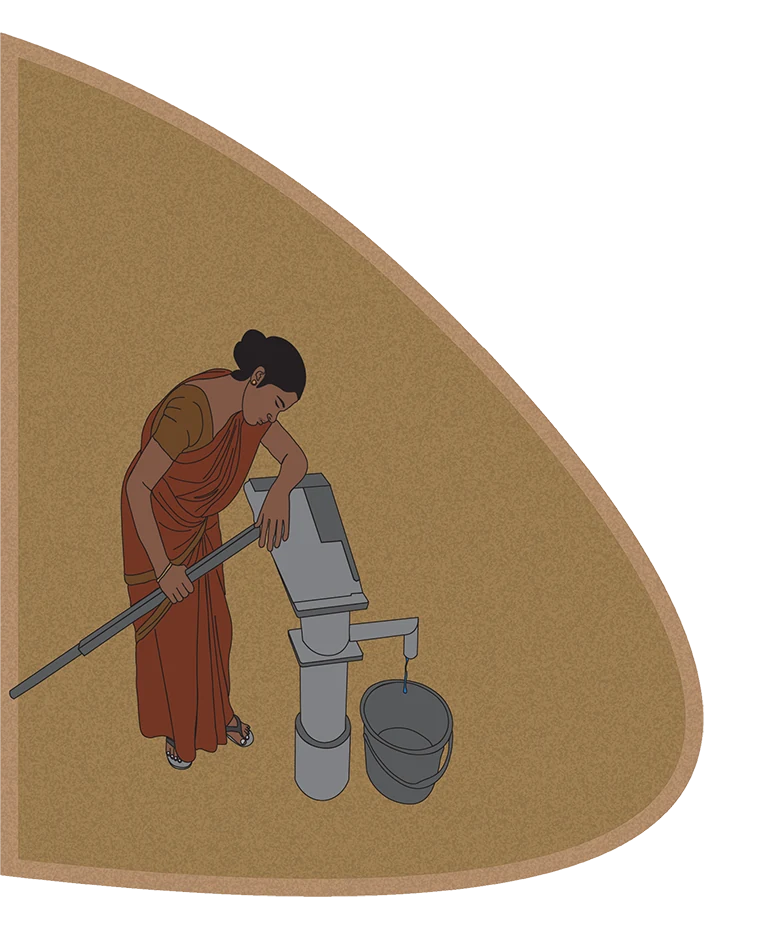
Deeper Water, Greater Burden: The Effects on Women's Health and Fatigue- Reported by Akansha
In a small village, the rhythm of life was once dictated by the seasons. However, as the years passed, the weather began to change. The heat intensified, and the cold diminished. This shift brought with it a severe and unrelenting crisis: water scarcity.
The Daily Struggle
For the residents of this village, every day became a quest for water. The once reliable hand pumps and wells now stood as barren reminders of a dwindling resource. The pipelines, too small to draw water from the great depths, often failed to deliver. When electricity was absent, the situation worsened, leaving households without water.
The Burden on Women and Girls
The task of fetching water fell heavily on the shoulders of women and girls. Regardless of age, they were the ones who trudged to distant sources, pulling water from depths that seemed to grow with each passing day. This chore consumed hours of their day, directly impacting their work, wages, and education.
Ripple Effects on Life
• Livelihoods: The scarcity of water didn't just affect drinking and domestic needs; it also threatened the lives of livestock, which faced starvation and dehydration.
• Education: Girls were frequently late for school due to their water-fetching duties, incurring the wrath of teachers and sometimes physical punishment.
• Health Risks: The physical strain of fetching water, coupled with the lack of clean water for hygiene, posed significant health risks.
• Social Tensions: The struggle for water often led to conflicts among villagers, as queues lengthened and waits grew longer.
A Community in Crisis
The changing climate, marked by hotter summers and less severe winters, was not just a seasonal anomaly; it was a harbinger of deeper issues. Deforestation and the consequent drop in groundwater levels were identified as the root causes of the water crisis.
A Glimmer of Hope
In the face of such overwhelming challenges, the community came together to propose a solution. They suggested drilling new, deeper borewells in locations where water could be more readily accessed. This was not just a temporary fix but a long-term strategy to combat the water scarcity that had become the new normal.
The story of this village serves as a poignant reminder of the impact of climate change on the most basic aspects of human life. It underscores the need for sustainable solutions to water management, ensuring that communities are not left to struggle in the depths of drought.
A Day in the Life of a Woman- Reported by Soni
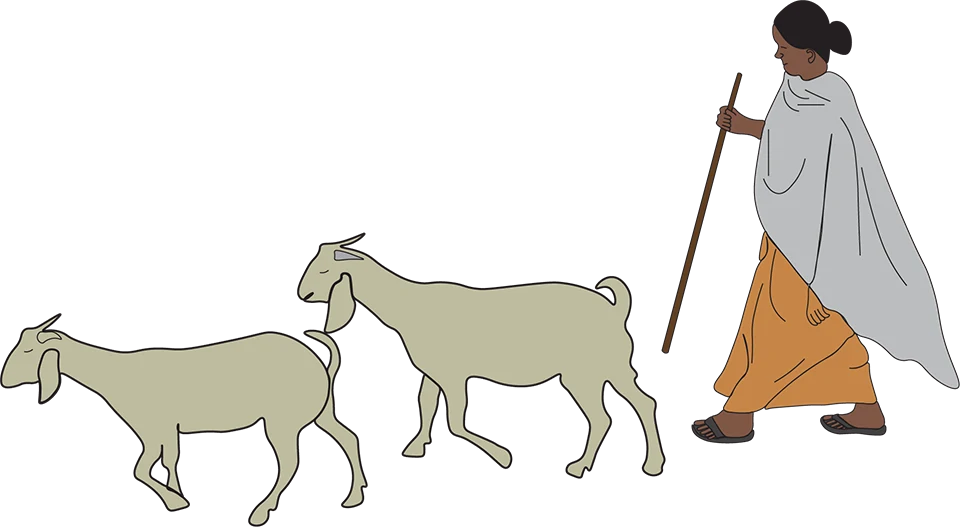
The day of a rural woman is a testament to endurance and multifaceted responsibility. From before dawn till dusk, she manages a multitude of tasks—fetching water, cooking, tending to the fields, caring for children and livestock, and maintaining the household. Despite the exhausting routine, her work remains largely undervalued and invisible. The changing climate adds another layer of challenge, with extreme weather conditions making each task more laborious. Yet, she continues without rest, embodying the resilience and strength of rural women. This story highlights the critical role of women in rural households and the urgent need for recognition and support for their tireless efforts.
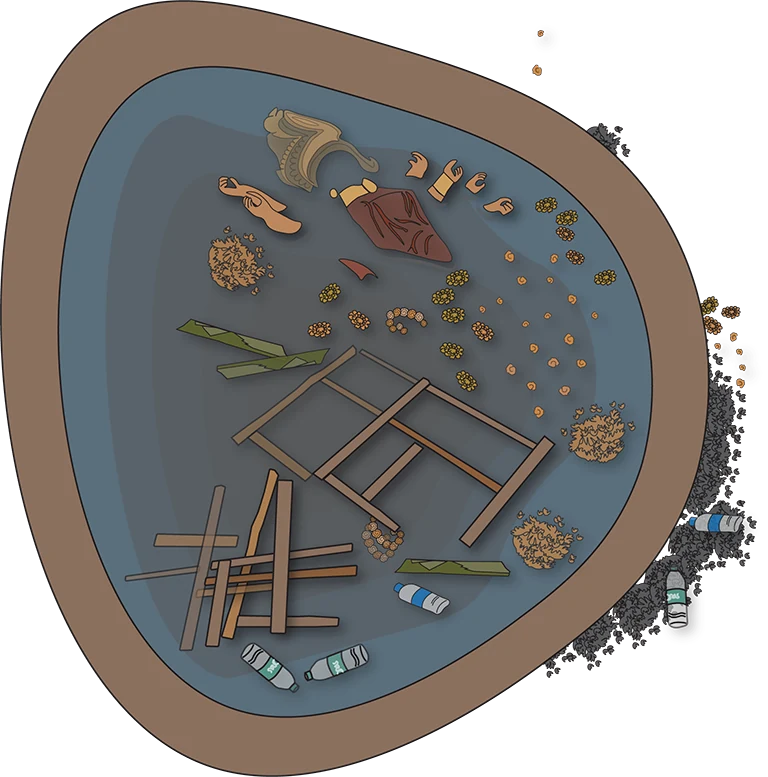
The Environmental Impact of Idol Immersion- Reported by Pramila
In a small village nestled in the Varanasi district, a quiet crisis brews beneath the surface of its serene ponds. Despite a 2015 ban on idol immersion, the tradition persists, casting a shadow over the lives of both humans and animals dependent on these water bodies. The immersion of idols, crafted from earth and chemicals, sets off a chain reaction of pollution that threatens the very fabric of village life. As aquatic life struggles to survive and waterborne diseases begin to emerge, the community is faced with a critical choice: preserve tradition or protect their environment and health. This story delves into the lives of those caught in this dilemma, highlighting the delicate balance between cultural practices and ecological preservation.
Vulnerability in the Face of Climate Change: Single Widowed Women's Struggles- Reported by Pramila
In Saraya village, Varanasi, a widowed mother of two faces the relentless swing of seasons—scorching heat and biting cold—that dictate her daily labor and survival. With no stable employment, she works through weather extremes, doing whatever work comes her way to feed her children. Her constant anxiety is palpable as she struggles to afford basic necessities and healthcare. Climate variability isn't just an environmental issue; it directly controls her income, health, and ability to care for her family, showcasing how precarious livelihoods become when weather turns into an unpredictable employer.
The Impact of Climate Change on Women's Lives and Livelihoods- Reported by Ankita
In rural villages, the shifting weather patterns due to climate change are disproportionately affecting women. Their daily lives, already filled with managing household chores, fetching water, tending to livestock, and working in the fields, have become even more arduous. The unpredictable climate—marked by intense heatwaves, unseasonal rains, and water scarcity—has significantly increased their workload and responsibilities. Women now have to travel further for water, deal with reduced household income due to crop failures, and struggle with the physical toll of rising temperatures. This narrative sheds light on the often-overlooked impact of climate change on rural women, highlighting the urgent need for support and solutions that address their unique challenges and vulnerabilities.
From Source to Sink: The Impact of Pollution on Pond Usage- Reported by Ankita
A pond that once served as a vital part of daily life in a village has now become a neglected dumping ground. Twenty years ago, villagers used this pond for bathing and other daily activities. However, over time, neglect and misuse have transformed it into a cesspool of filth. Today, instead of being a source of cleanliness and sustenance, the pond is used to dispose of garbage, slowly choking under the weight of community neglect. As the pond's condition deteriorated, so did its utility, leading to its gradual abandonment. This narrative highlights the consequences of neglecting community resources and the urgent need for collective action to restore and preserve such vital assets.
Rain, Dust, and Health: The Unseen Consequences for Women- Reported by Sumitra
In the village of Badlapur, the post-harvest season brings more than just relief for farmers; it brings a hazardous reality. This story uncovers the struggles of local farmers like Mukunda, who, at 60, is still battling the aftermath of paddy burning—a practice that, while common, releases toxic air. The burning of damaged paddy has led to severe health issues, including persistent coughs and respiratory problems, affecting not just the farmers but their entire families. Despite their hard work in cultivating and processing their crops, the air they breathe is filled with pollutants, turning their labor into a double-edged sword. This narrative sheds light on the environmental and health impacts of paddy burning, emphasizing the urgent need for sustainable agricultural practices that protect both the earth and its people.
Illegal Encroachment on Ponds Leads to Water Scarcity in Villages- Reported by Soni
In the village of Bhand, under the Ghathampur block, a once expansive pond has dramatically shrunk, a victim of years of illegal encroachment. The pond, which originally spanned about 22 bighas, has dwindled to a mere 4 bighas over the past 20 to 25 years. This drastic reduction has led to severe water scarcity in the area, affecting not just the villagers but also the local ecosystem. The pond, once a reliable source of water for irrigation, drinking, and other needs, now struggles to meet even the basic demands. This story sheds light on the consequences of unchecked land encroachment and the urgent need for community-led conservation efforts to restore and protect vital water bodies.
These stories, documented by Udaan Fellows, explore how rural communities are drawing on traditional knowledge and sustainable practices to respond to changing environmental and agricultural challenges. From natural farming and seed preservation to protecting local biodiversity and adapting to extreme heat, the stories highlight everyday forms of climate resilience rooted in care, self-reliance, and generations of lived experience.
Sumitra (43) explores how climate change is influencing food systems, livelihoods, and public health in rural communities. Her stories centre women’s experiences, local farming knowledge, and the environmental challenges that shape everyday life.
Kajal (20) explores the impact of extreme weather on women’s health, food practices, and rural livelihoods. Her stories highlight how communities continue to rely on traditional knowledge and care practices while navigating climate uncertainty.
Soni (28) documents how climate change quietly reshapes everyday rural life. Her stories trace the links between migration, farming, women’s labour, water scarcity, and traditional knowledge, bringing grassroots realities and resilience into focus.
Ankita (20) documents the everyday intersections of climate change, gender, and public infrastructure. She brings attention to issues ranging from menstrual health in brick kiln communities to pollution, changing agricultural patterns, and the loss of old ecological systems.
Akanksha (22) reports on the changing relationship between climate, labour, and the environment in rural communities. Her stories focus on farmers, women workers, disappearing water bodies, and local alternatives like organic farming that emerge in response to ecological stress.
Pramila (34) documents the social and environmental consequences of climate change on vulnerable communities. Her reports highlight migration, environmental degradation, women’s struggles, and sustainable practices emerging from within communities themselves.